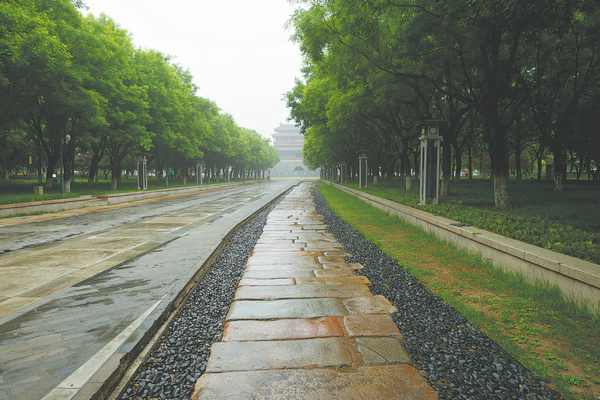
The Southern Section Road Archaeological Sites
Introduction
The Southern Section Road Archaeological Sites represent a significant component of the Beijing Central Axis, recognized as a UNESCO World Heritage Site. This ensemble of architectural and urban planning marvels showcases the ideal order of the ancient Chinese capital city. The Southern Section Road is a historical path that played a crucial role in state rituals and ceremonies during the Ming and Qing dynasties. It is an archaeological testament to the sophisticated engineering and cultural traditions of ancient China. The discovery and excavation of these sites have provided invaluable insights into the historical context and cultural significance of the Beijing Central Axis, contributing significantly to its recognition as a world heritage site.
Background
Located at the southern end of the Beijing Central Axis, the Southern Section Road Archaeological Sites are nestled within a broader landscape that includes historical landmarks and architectural wonders. The Central Axis itself stretches 7.8 kilometers, running north to south through the heart of Beijing. This axis encompasses various imperial palaces, public buildings, and gardens that structured the ancient Chinese capital's layout. The Southern Section is particularly noted for its role in state rituals, serving as a ceremonial route during the Ming (1368-1644) and Qing (1644-1911) dynasties. The archaeological endeavors conducted here are part of a larger effort to preserve and understand the historical and cultural context of the central axis, offering a window into China's urban planning and cultural heritage.
Archaeological Significance
Cultural Relics
The Southern Section Road is a treasure trove of cultural relics that speak volumes about the engineering prowess and artistic sensibilities of ancient Chinese society. The discovery of structures like the Zhengyang Bridge and the mythical statues highlights the fusion of functionality and artistic expression in urban planning. These relics not only exemplify the architectural techniques of the time but also embody the cultural and spiritual beliefs that influenced their creation. The intricate designs and materials used in these structures reflect the importance placed on harmony and balance, central tenets in Chinese cultural philosophy.
Historical Context
The archaeological findings at the Southern Section Road provide a snapshot of the historical context that influenced its development. This site served as a crucial ceremonial route during the Ming and Qing dynasties, emphasizing its importance in state rituals and governance. The road's alignment and construction techniques offer insights into the urban planning strategies of ancient Chinese capitals. Additionally, the site bears witness to the continuity of cultural traditions, as evidenced by the preservation of ceremonial practices and architectural styles over centuries. These findings have significantly contributed to the understanding of Beijing's historical landscape and its evolution as a capital city.
Conservation Efforts
Conservation efforts for the Southern Section Road Archaeological Sites have been integral to preserving their historical and cultural significance. The discoveries have prompted initiatives to protect and restore these sites, ensuring their longevity for future generations. Conservation strategies have focused on stabilizing the excavated structures, safeguarding the relics from environmental damage, and implementing measures to mitigate the impact of urban development. These efforts are part of a broader plan to uphold the integrity of the Beijing Central Axis and its components, aligning with international standards for heritage preservation.








